Trezor Bridge — The Secure Gateway Between Your Computer and Trezor Hardware Wallet

4
Trezor Bridge — The Secure Gateway Between Your Computer and Trezor Hardware Wallet
In the world of cryptocurrency hardware wallets, ease of use without compromising security is paramount. That’s where Trezor Bridge shines — acting as the essential bridge between your physical Trezor device and the applications or browsers you use to manage your crypto. It’s the unseen guardian that makes your Trezor wallet work smoothly on your computer.
🔗 What Is Trezor Bridge?
At its core, Trezor Bridge is a lightweight desktop application that runs locally on your Windows, macOS, or Linux computer. Its job is simple yet critical: it facilitates secure communication between your Trezor hardware wallet and web‑based wallets, apps, or the official Trezor Suite interface. Without Bridge, most browsers won’t be able to directly detect and interact with your hardware wallet.
Unlike simple browser plugins or extensions, Bridge works as a background service, listening on your machine and relaying encrypted messages while keeping your private keys safely inside the hardware device.
🔐 Why Trezor Bridge Matters for Security
Security is the main reason Trezor users rely on Bridge:
✔ Private keys never leave your Trezor device.
Even during transactions, only signed messages are passed back to the browser — the critical signing happens directly on your hardware wallet.
✔ Local‑only communication.
Bridge runs on your machine and doesn’t send any data over the internet. Communication happens via a secure loopback port, isolated from external networks.
✔ Encrypted and authenticated.
Requests from web apps or wallet interfaces are authenticated before Bridge relays them to the hardware device, reducing the risk of unauthorized access or malware interference.
These features ensure that even if your computer were compromised, an attacker couldn’t extract your private keys or approve transactions without your physical confirmation on the Trezor screen.
🧠 How Does Trezor Bridge Work?
When you connect your Trezor hardware wallet via USB and open a supported wallet interface (such as Trezor Suite or a third‑party wallet):
- Your browser or app makes a request to access the device.
- Trezor Bridge detects that request and opens a secure channel between the application and the wallet.
- The command — like requesting an address or signing a transaction — is relayed to the device through Bridge.
- You confirm the action on the physical Trezor device, ensuring total control.
- The signed message is sent back through Bridge to the app.
Bridge acts like a trusted messenger — it doesn’t interpret or store sensitive data; it simply transmits requests and responses in a secured manner. This layered approach protects users and preserves the hardware wallet’s security guarantees.
⚙️ Installation & Compatibility
Installing Trezor Bridge is straightforward:
- Visit the official Trezor download page and choose the Bridge installer for your operating system: Windows, macOS, or Linux.
- Install the application and restart your browser.
- Connect your Trezor device — Bridge should automatically allow the interface to detect it.
It works with the most popular browsers including Chrome, Firefox, Brave, and Edge — although browser support for USB access varies, Bridge ensures consistent communication across platforms.
Note: Some modern workflows using the Trezor Suite desktop application may not require a separate Bridge install, as the suite integrates necessary communication layers internally.
🚀 What You Can Do with Trezor + Bridge
With Bridge installed, your Trezor hardware wallet becomes fully functional with:
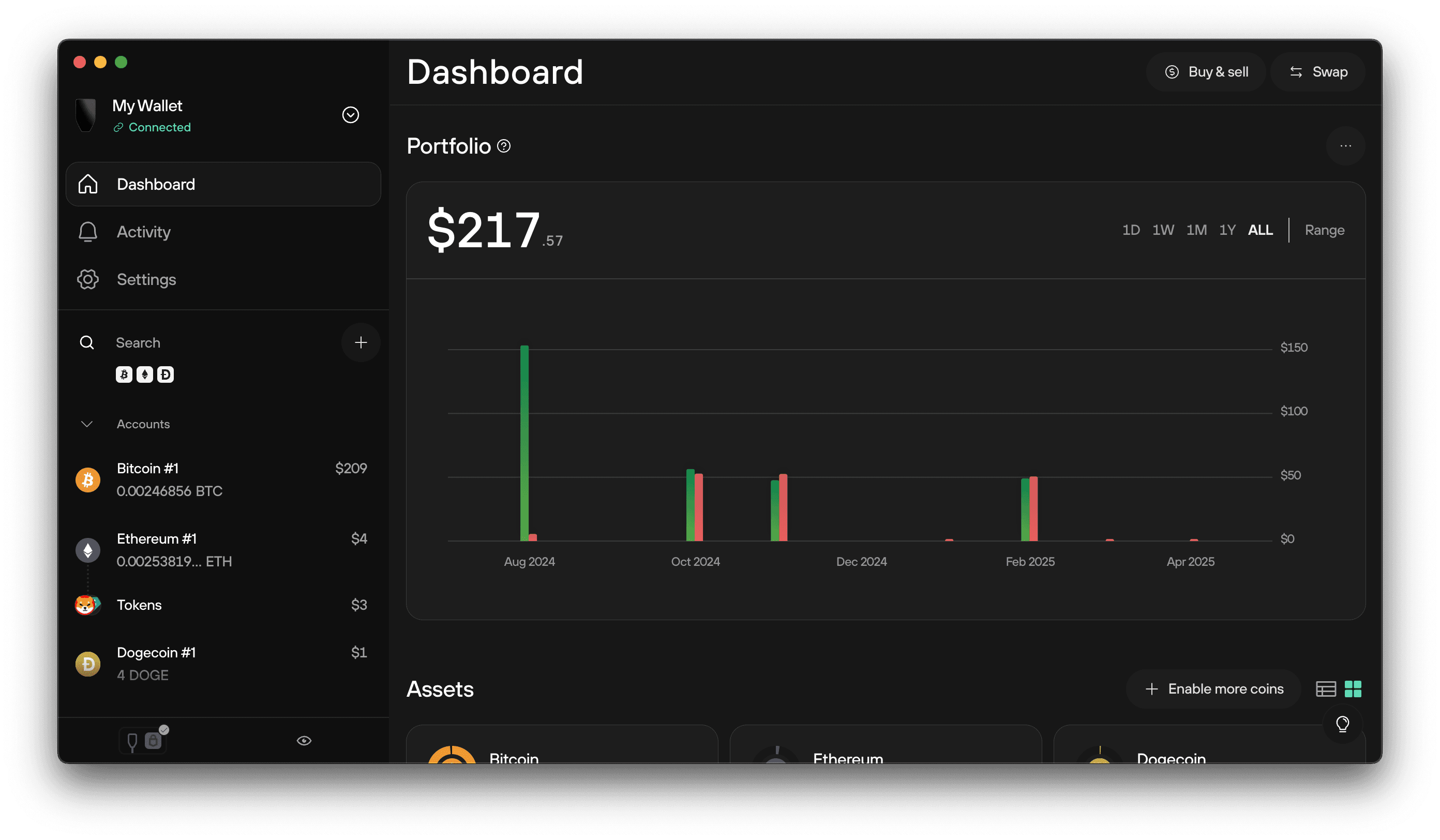
- Trezor Suite web and desktop apps — for portfolio management, sending and receiving crypto, and firmware updates.
- Browser‑based wallet interfaces — many decentralized applications and Web3 services require Bridge to detect your device.
- Third‑party tools like MetaMask and other wallet integrations that support hardware wallets.
This opens up access to decentralized finance (DeFi), NFTs, and cross‑chain asset management while keeping your private keys offline and secure.
⚠️ Security Tips & Best Practices
- Always download Bridge from the official Trezor site to avoid fake installers that can compromise your system.
- Ensure your Trezor device firmware is up to date — device and Bridge versions should be compatible.
- When connecting, always verify transaction details on the Trezor device before approving — this prevents phishing or malicious attempts.
Even if malware is present on your computer, the combination of Trezor Bridge and the hardware wallet’s security model means your funds remain protected as long as you confirm transactions on the device.
🏁 Final Thoughts
Trezor Bridge is a foundational piece of the Trezor ecosystem — the trusted link that enables secure, encrypted communication between your browser/apps and your hardware wallet. It preserves security, ensures compatibility across systems, and maintains the core promise of hardware wallets: your private keys always stay offline and under your control.